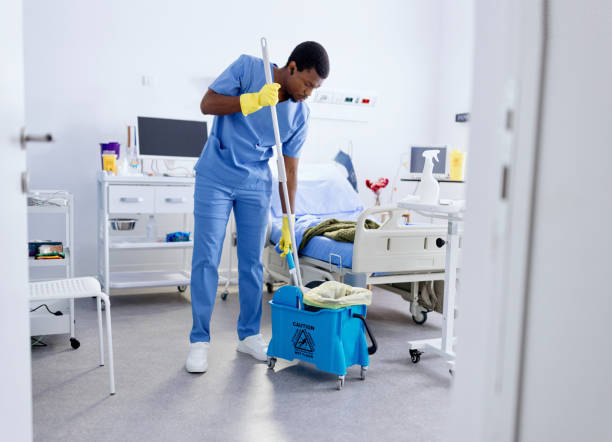
Few environments carry the same weight of responsibility as a hospital when it comes to cleanliness. Patients arrive already vulnerable, staff move between wards constantly, and equipment gets shared across departments throughout the day. In this setting, cleaning is not about appearances at all, it is a frontline defence against infection, which is why Hospital Cleaning Sydney services operate under a level of protocol and training far beyond typical commercial cleaning.
Healthcare-Associated Infections Are a Real Risk
Hospitals worldwide grapple with the challenge of healthcare-associated infections, conditions patients pick up during their stay rather than the illness that brought them in. Rigorous cleaning protocols are one of the most effective tools available to reduce this risk, targeting surfaces, equipment and high-touch points that can otherwise become a pathway for bacteria and viruses to spread between patients.
Different Zones, Different Protocols
A hospital is not a single environment but many, each with its own risk level and cleaning requirements. Operating theatres demand an entirely different standard of sterility compared to administrative offices, while isolation wards require strict protocols to prevent cross-contamination. Cleaning staff working in hospitals need training specific to each zone, understanding exactly which chemicals, equipment and procedures apply where.
Terminal Cleaning Between Patients
When a patient is discharged, particularly from a room where infection control was a concern, the room undergoes what is known as terminal cleaning, a thorough top-to-bottom disinfection before the next patient arrives. This process covers everything from bed frames and curtains to light switches and call buttons, leaving nothing to chance before the space is used again.
High-Touch Surfaces Demand Constant Attention
Door handles, bed rails, IV poles, computer keyboards at nursing stations and elevator buttons all get touched by dozens of different hands throughout a single shift. These surfaces need far more frequent disinfection than a standard commercial cleaning schedule would ever call for, reflecting just how quickly pathogens can spread through a busy hospital environment if these points are neglected.
Waste Management Carries Serious Responsibility
Hospitals generate clinical waste, sharps and other materials that require specific handling procedures under strict regulations. Cleaning staff need proper training to manage this waste safely, separating it correctly from general rubbish and ensuring it is disposed of in line with health department requirements, protecting both themselves and everyone else in the building.
Supporting Staff Wellbeing
Nurses, doctors and hospital staff work long shifts in an environment where their own health is constantly at stake. A properly cleaned and disinfected hospital reduces the burden of illness among staff themselves, which matters enormously for a workforce already stretched thin across Sydney’s healthcare system, particularly during periods of high patient demand.
Working Around a 24-Hour Operation
Unlike an office that closes overnight, hospitals never stop operating, which means cleaning has to happen continuously rather than in a single scheduled block. Coordinating this around active patient care, emergency admissions and staff shift changes requires careful scheduling and communication between cleaning teams and clinical staff throughout the day and night.
Compliance and Accreditation
Hospitals in Australia are subject to accreditation standards that include specific requirements around environmental cleaning and infection control. Documentation, audits and consistent adherence to protocols are all part of maintaining this accreditation, and a cleaning provider experienced in healthcare settings understands exactly what evidence and record-keeping these reviews require.
Training That Never Really Stops
Because infection control guidelines evolve as medical understanding improves, hospital cleaning staff need ongoing training rather than a single induction session. Providers who take Hospital Cleaning Sydney seriously invest in continuous education for their teams, keeping protocols current with the latest guidance from health authorities rather than relying on practices that may be years out of date.
Specialist Wards Bring Additional Requirements
Intensive care units, oncology wards and maternity units each carry their own specific infection control considerations, often involving immunocompromised patients who face heightened risk from even minor lapses in hygiene. Cleaning staff assigned to these wards typically need additional training beyond general hospital protocols, understanding exactly why certain areas demand an even stricter standard than the rest of the facility.
Coordinating With Clinical Teams
Effective Hospital Cleaning Sydney services do not happen in isolation from clinical staff, and close communication between cleaning teams and nurses or ward managers helps identify priority areas, recent incidents requiring extra attention, and any changes to a patient’s status that might affect cleaning protocols in a particular room. This collaboration is part of what separates a genuinely embedded hospital cleaning service from one working at arm’s length from clinical operations.
Equipment Cleaning Beyond Surfaces
Shared medical equipment such as wheelchairs, trolleys, monitors and mobility aids move between wards and patients constantly, carrying real potential to spread infection if not disinfected between uses. A comprehensive cleaning program covers this equipment specifically, rather than focusing solely on rooms and fixed surfaces while overlooking items that travel throughout the building all day.
The Value of an Experienced, Long-Term Partner
Given how much is at stake, hospitals benefit from working with a cleaning partner over the long term rather than switching providers frequently, since institutional knowledge about a facility’s specific layout, risk areas and past incidents builds up meaningfully over time. This continuity supports better outcomes for patients and gives hospital administrators one less variable to manage amid everything else involved in running a busy healthcare facility, particularly during periods of heightened community illness when infection control matters even more than usual.
Hospitals ask more of their cleaning teams than almost any other environment in Sydney, and rightly so, given what is at stake for patients and staff alike. Getting this right requires specialised training, strict protocols and a genuine understanding of infection control, not simply a mop and a general cleaning checklist borrowed from a standard commercial contract.